
Dog Obedience Training on the Central Coast
With over 10 years of hands-on experience, we provide safe, structured and holistic dog care on the Central Coast where every dog is treated like family.
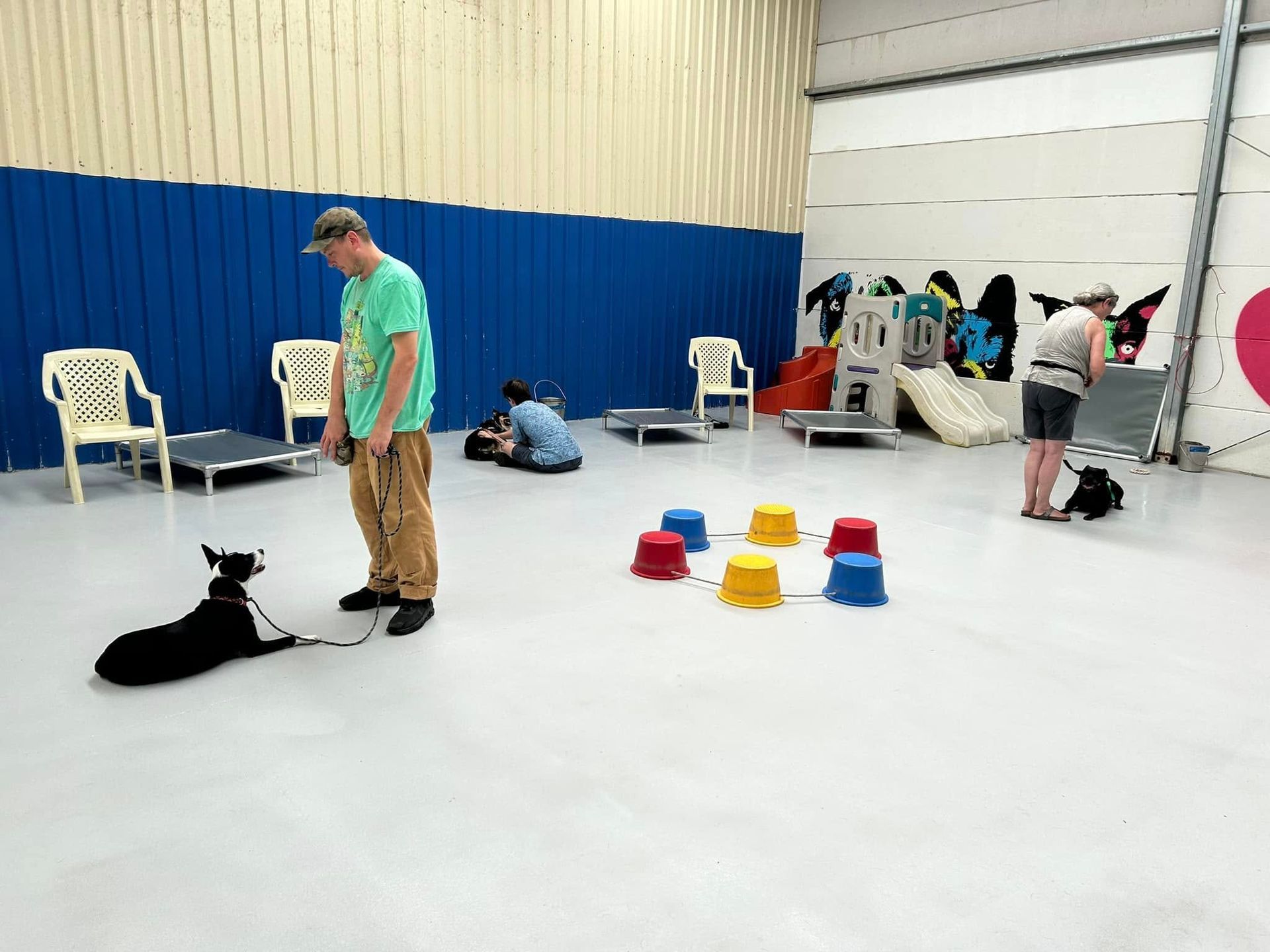
Clear Guidance, Confident Dogs
When everyday moments start feeling frustrating: pulling on the lead, ignoring recall, jumping on guests, it is usually a communication gap, not a “bad dog”. At DogEd Daycare & Training, we conduct practical, results-driven dog obedience training on the Central Coast that focuses on clarity, consistency and real-world outcomes.
Based in Gosford, we focus our training around positive reinforcement and proven behaviour principles that help dogs understand what is expected of them. Instead of quick fixes, we focus on building reliable skills that make daily life calmer and more enjoyable for both you and your dog.
Our obedience training is designed to give owners practical tools, including:
- Clear, step-by-step guidance you can confidently apply at home
- Real-life training scenarios that prepare dogs for everyday distractions
Obedience is not about control, it's about cooperation. When dogs clearly understand cues like sit, stay, recall and loose-lead walking, their confidence grows and unwanted behaviours naturally reduce. We tailor each program to suit the dog’s age, temperament and household needs, whether you have a young puppy or an adult dog needing refinement.
If you are ready for calmer walks and better listening at home, call 0408 810 526 and take the first step today.
Practical Skills That Stick
Obedience training should work beyond the training space. Sessions focus on foundational commands, impulse control and engagement, gradually introducing distractions so behaviours remain reliable in parks, streets and busy environments. We place strong emphasis on timing, reward placement and handler consistency, because small details make a big difference in results. Owners are actively involved in the process, learning how to reinforce good choices and redirect unwanted behaviours effectively. The goal is steady, sustainable progress that fits naturally into daily routines.
When training feels achievable, it becomes part of everyday life rather than a chore. Explore your training options or get in touch to see how we can support you and your dog.
Behaviour-Focused Approach
Small Group Supervision
Consistent Daily Structure
Get in Touch
Tell us about the challenges you are facing or the goals you would like to achieve. Complete the form below and we will be in touch to guide you forward.
Contact Us
Thank you for contacting DogEd Daycare & Training.
We will get back to you as soon as possible.
Oops, there was an error sending your message.
Please try again later.
FAQ
At what age should a dog start obedience training?
Dogs can begin learning basic obedience skills as early as puppyhood, often from around 8–10 weeks of age. Early training focuses on simple cues, socialisation and building engagement rather than strict discipline. However, it is never too late to start: adult and even senior dogs can successfully learn new behaviours. The key is adjusting the pace and expectations to suit the dog’s developmental stage. Consistency matters more than age when it comes to progress.
How long does it take to see results from obedience training?
Progress depends on factors such as the dog’s age, temperament, previous experiences and the owner’s consistency at home. Some dogs show noticeable improvement within a few sessions, particularly with basic commands. More complex skills, especially those involving distractions, typically require ongoing practice. Obedience training is not a one-time event but a process of building habits over time. Regular reinforcement in everyday situations helps behaviours become reliable.
Can obedience training help with pulling on the lead and poor recall?
Yes, these are common issues that structured obedience training aims to improve. Loose-lead walking focuses on teaching a dog to maintain position and respond to subtle guidance rather than forging ahead. Recall training builds value in returning when called, even around distractions. Both skills require repetition in gradually more challenging environments. With consistent practice and clear communication, most dogs can significantly improve in these areas.