
Dog Walking in Gosford
With over 10 years of hands-on experience, we provide safe, structured and holistic dog care on the Central Coast where every dog is treated like family.
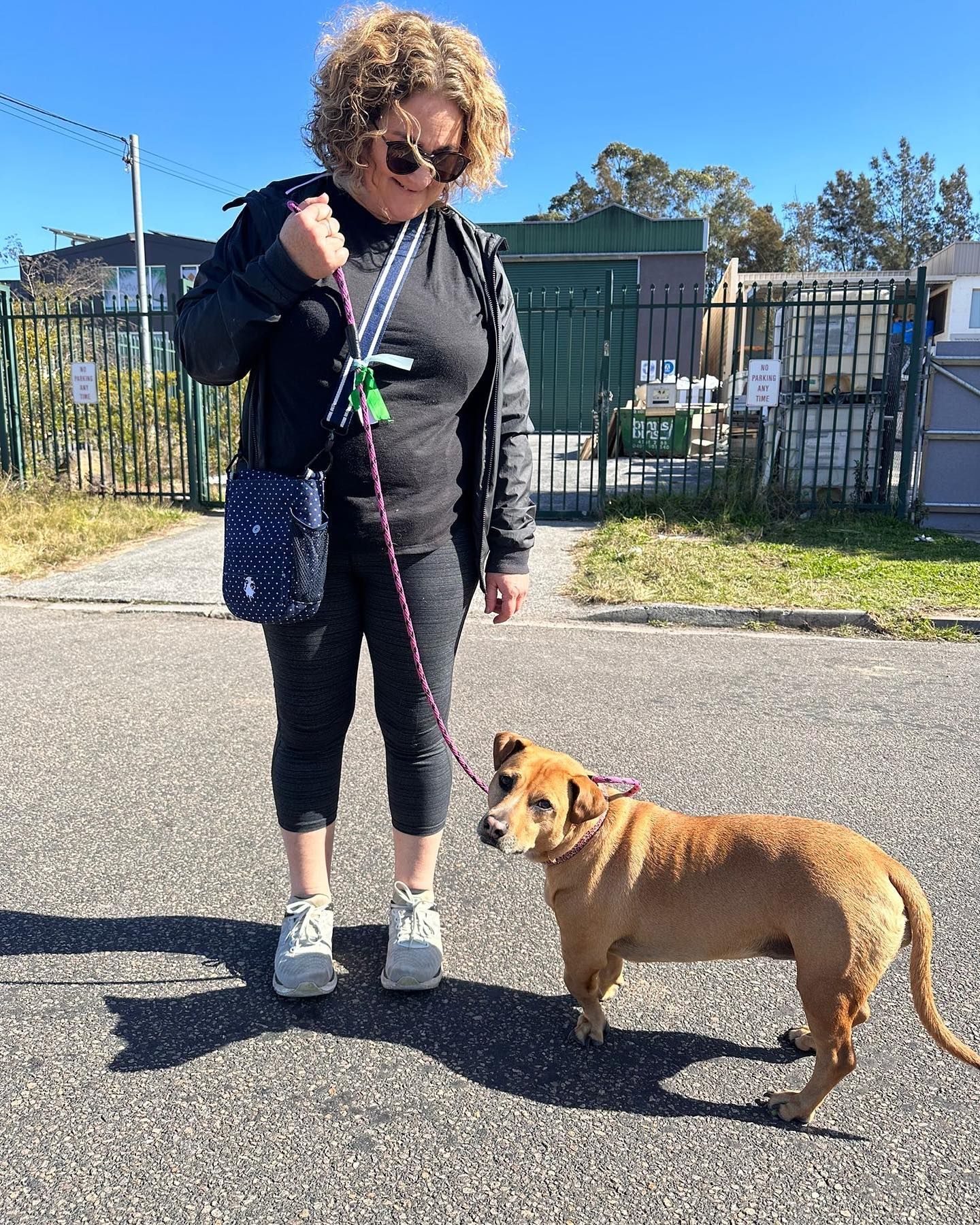
Walks That Fit Your Routine
Between work, school runs and everything else life throws at us, it is not always easy to give dogs the consistent exercise they need. That is where we step in. At DogEd Daycare & Training, we offer professional dog walking in Gosford designed to keep dogs active, balanced and mentally stimulated throughout the week.
Gosford offers plenty of parks, walking tracks and outdoor areas to explore, but those environments also bring distractions that can test leash skills and attention. Our walks are designed to build both physical fitness and steady behaviour, rather than simply tiring your dog out.
Our Gosford clients value walks that offer:
- Consistent midweek exercise to reduce restlessness at home
- Calm, controlled leash handling that reinforces good habits
We approach every walk with intention. With over 10 years of hands-on experience across training and care environments, we understand canine body language and energy levels. We use steady pacing, clear cues and positive reinforcement to encourage polite walking and engagement. Each session is tailored to suit age, fitness and temperament, whether your dog needs a brisk energy outlet or a steady confidence-building stroll.
If your dog needs reliable dog walking in Gosford, call 0408 810 526 and let’s organise a schedule that works.
Structured Movement, Better Behaviour
A great walk is not measured in kilometres. It is measured in focus, balance and how your dog feels afterwards. Instead of simply heading out to “burn energy,” we use each walk as an opportunity to reinforce loose-lead habits, build attention and calmly work through the everyday distractions found around Gosford’s streets and parks.
We pay close attention to how a walk starts and how it ends. Calm departures and steady finishes help dogs settle more easily once they are back home. For energetic dogs, we use purposeful pace changes and short engagement drills to channel excitement into controlled movement. For senior dogs, we prioritise joint-friendly pacing and gentle mental stimulation so they stay active without strain.
When exercise is structured and intentional, the benefits show up indoors too. Contact us to arrange dog walking in Gosford and give your dog a routine that truly supports them.
Local Area Knowledge
Calm Leash Handling
Structured Exercise Plans
Get in Touch in Gosford
Tell us where you are located in Gosford and what your dog’s routine looks like. Complete the form below and we will be in touch to arrange your walking schedule.
Contact Us
Thank you for contacting DogEd Daycare & Training.
We will get back to you as soon as possible.
Oops, there was an error sending your message.
Please try again later.
FAQ
How does mental stimulation during walks differ from simple exercise?
Physical exercise focuses on movement and energy expenditure, while mental stimulation challenges a dog’s brain. A dog can walk several kilometres and still feel under-stimulated if the walk is repetitive and lacks engagement. Purposeful walking includes varied routes, controlled exposure to new smells, short focus exercises and opportunities to practise calm decision-making. Activities such as structured sniff breaks, changes in pace and reinforcing attention on the handler all contribute to mental enrichment. When dogs use their brains as well as their bodies, they tend to return home more relaxed, satisfied and less likely to seek stimulation through unwanted behaviours.
Why do some dogs behave worse after an unstructured walk?
An unstructured walk can unintentionally increase arousal levels rather than reduce them. If a dog spends the entire walk pulling, reacting to other dogs or moving in an excited state, stress hormones such as adrenaline can remain elevated. This heightened state does not always switch off immediately once the walk ends. As a result, some dogs may appear restless, jumpy or even more hyperactive at home. Structured walking helps regulate this by promoting controlled pacing, calm transitions and steady breathing patterns. Ending a walk on a settled note encourages the nervous system to return to balance more smoothly.
How can walking routines change as a dog matures?
A dog’s exercise needs evolve significantly over time. Puppies require short, positive exposures that build confidence without placing stress on developing joints. Adolescents often benefit from consistent structure to manage bursts of energy and curiosity. Adult dogs may require more endurance-based activity combined with ongoing leash manners reinforcement. Senior dogs, however, may need gentler pacing, shorter distances and softer terrain to protect joints and maintain comfort. Regularly adjusting the walking routine ensures that exercise remains safe, supportive and aligned with the dog’s life stage.